By Tessa Webb
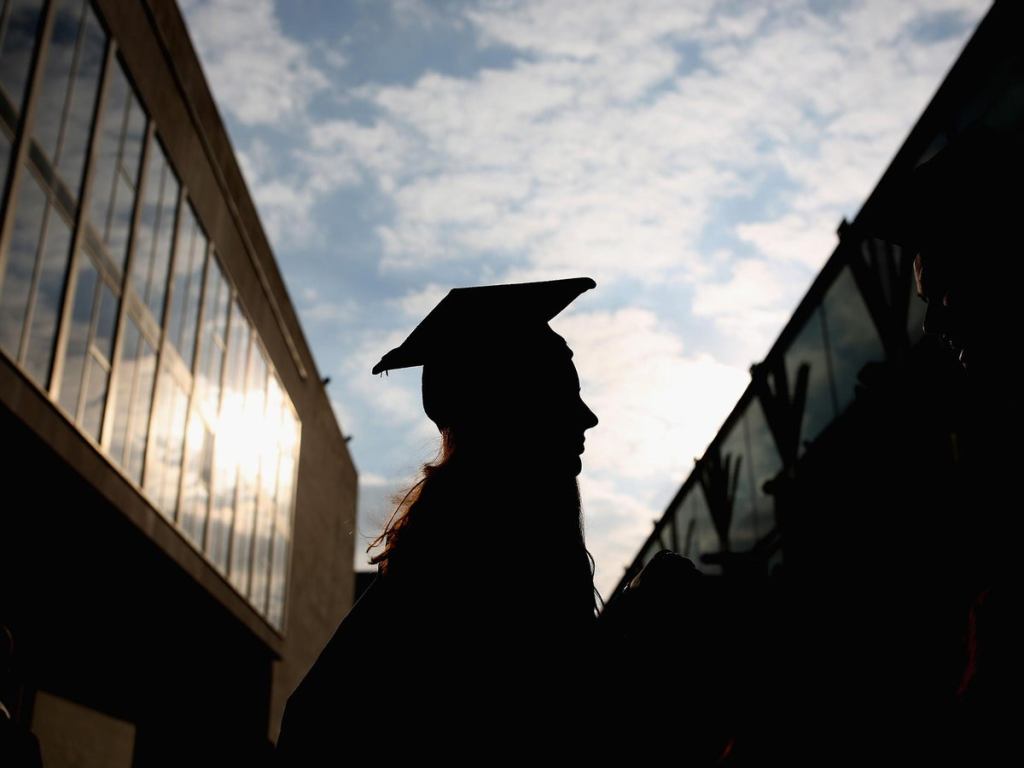
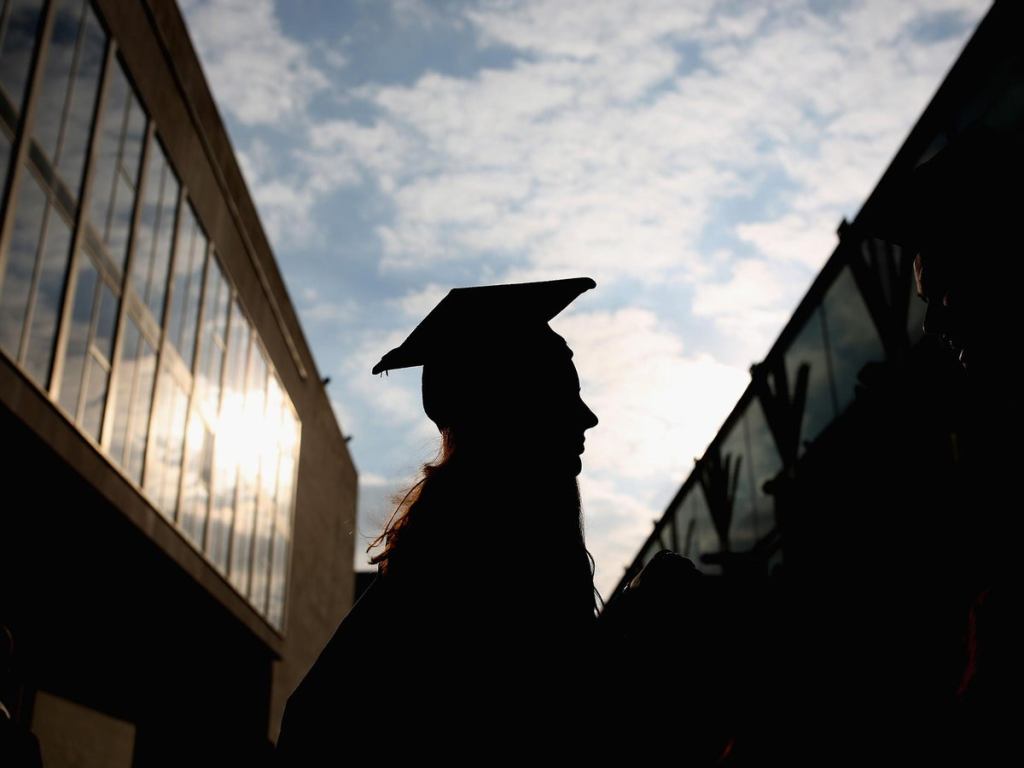
Students throughout the California University network will soon be receiving $500 a month, no strings attached. It is the latest in a wave of policies aiming to put more money in the pockets of struggling Americans.
Proposed by State Senator Dave Cortese, the plan could act as a pilot in several universities in the CSU network and will be paid for by the California state surplus.
Information provided by Cortese’s staff explained that the origin of the policy was the findings of the Silicon Valley Pain Index. This 2020 report found half of all students sometimes or often cut the size of their meals or skipped meals because they do not have enough money.
Dr. Jennifer Brandt, professor at California State University Dominguez Hills, confronts this issue every day in her lecture halls.
“Income inequality is a huge problem everywhere, but especially in California,” said Brandt. “While there are so many populations that could use this type of assistance, launching something like this in the CSU system is a great start.”
Specific studies in Cortese’s district showed that 10.4% of the California State University population comes from a family whose income is in the bottom 20% of earners.
Under Cortese’s initiative, these students would receive monthly payments of $500 for one year, at an estimated cost to the state of $57 million to $84 million.
Universal Basic Income policies, like the pilot program Cortese suggested, have recently risen to prominence in the American political scene.
UBI schemes are presented by their proponents as a solution to class immobility and cycles of debt. These school-based programs are intended to help those most struggling to finish their degrees and benefit from the resulting increase in income.
“College is a great path to economic and social mobility, but for so many of the students in the CSU, their lack of basic needs prevents them from succeeding, and in many cases, students leave school in more debt than when they started, perpetuating cycles of inequality,” said Brandt.
“College is a great path to economic and social mobility, but for so many of the students in the CSU, their lack of basic needs prevents them from succeeding, and in many cases, students leave school in more debt than when they started, perpetuating cycles of inequality,”
Dr. Jennifer Brandt, professor at California State University Dominguez Hills
More powerful than any campaign to increase support for these policies has been the COVID-19 pandemic, as an increasing number of people are finding themselves requiring supplemental income to meet basic needs.
“In the case of my campus, a number of students also moved out of the L.A. area due to housing costs and are now finding it difficult to return to school given that there is no longer a remote option,” said Brandt.
This is a sentiment echoed by Cortese in an interview.
“Certainly everyone was aware of this issue before March of 2020, but what happened after was you started to see those extremely vulnerable populations running into more serious trouble and consequences,” said Cortese.
Despite these policies gaining support from politicians, the U.S. is a nation with a historic aversion to financial aid that can be perceived as “handouts.” Comparing the U.S. with other similarly developed nations like the U.K. shows lower levels of support for UBI policies.
Olive Allen, a junior student attending High Point University who would fit into this income bracket in North Carolina, questioned if even her fellow students would support a similar program.
“It’s not that they don’t care about people with lower incomes, but people often have a strong belief that you need to earn that money yourself and no one should be able to help you,” said Allen.
However, Cortese doesn’t see his bill as a handout, but as a way of helping students become more responsible with money.
“Traditionally, safety net benefits come in these prescriptive and restrictive ways… the problem is as soon as you need a pair of shoes or a winter jacket, none of that is going to work,” Cortese said. “This plan is not only flexible, but it’s empowering”
Allen imagined a future where this bill expanded across the country.
“I would be less stressed paying bills, especially medical bills,” said Allen. “And I wouldn’t have that overlying stress of unknown expenses and not knowing how to pay for them. Mental health is super important and jobs in college can be so hard to balance, so it would take that stress away from a whole lot of people.”
Cortese believes similar bills are only going to increase in popularity, even in conservative states.
“The thing is everyone, at least in our country, is administering social safety nets already… I don’t care if you’re in Georgia or California, you don’t want to say we are spending lots and lots of money on these prescriptive safety net benefits but we still have high poverty,” said Cortese.
The final details of the policy will be released at the end of this month. If this program proves successful in California, it could be possible that similar policies are rolled out across the country.
Tessa Webb is a junior at High Point University majoring in Political Science with a minor in Journalism. For contact inquiries, please email twebb@highpoint.edu.
 NewsPoint Network