By JT Farabow
Everyone knows the feeling of being overwhelmed and exhausted. Everyone gets tired. Everyone works long days and often feels like they’re not getting enough sleep or being productive enough.
Simply put, this is a psychological phenomenon called “burnout.”
If you Google burnout, the National Library of Medicine defines it as, “a psychological syndrome emerging as a prolonged response to chronic interpersonal stressors on the job. The three key dimensions of this response are an overwhelming exhaustion, feelings of cynicism and detachment from the job and a sense of ineffectiveness and lack of accomplishment.”
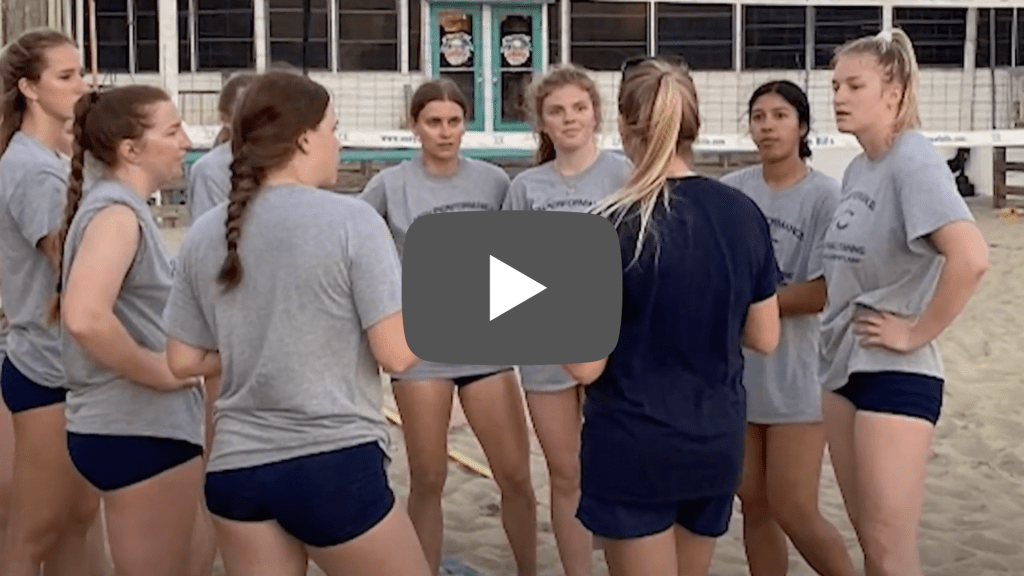
With extremely long and tiresome schedules, student athletes are incredibly susceptible to burnout.
Morgan Hairston, a senior on the HPU women’s soccer team, knows exactly what this is like.
“It’s a huge commitment,” said Hairston. “Just with athletics and academics, it can be a lot to juggle. It definitely gets better as you go on, but it can be very difficult at times.”
Like water building behind a dam, chronic stress builds over time. Oftentimes, we are unable to put our finger on what exactly is stressing us out.
We usually don’t notice chronic stress because humans habitually acclimate to particular stressors over time. Student athletes, for example, become accustomed to their incredibly demanding schedules and aren’t as easily able to identify what is causing them to feel drained or agitated.
Dr. Brad Miller, a clinical psychologist, has spent over 20 years working with individuals that are battling anxiety and stress. He says that burnout can have many more effects than just feelings of stress and exhaustion.
“A lot of people who experience burnout with their sport or their jobs, especially when it’s something they spend a lot of time doing, can be affected outside of these things,” said Dr. Miller. “These individuals can become a lot more susceptible to anxiety or depression, eating disorders, gambling – really unhealthy ways for us to cope with this stress.”
When we’re burnt out, we are much more likely to think and act rashly with our emotions. Luckily, there are many ways we can keep ourselves from getting burnt out and limit these emotional outbursts from happening.
Simple things such as checking in with yourself, managing your workload and having a strong sense of purpose can do a lot to limit burnout. Another thing is finding a community in which you feel supported.
“Having a sense of community where you can find support is very important,” said Dr. Miller. “When you can talk to someone and say, ‘Man, this is tough’ or ‘This is hard,’ it makes a huge difference. When we feel isolated and don’t really have people we can talk to, it just makes it bigger.”
While it often gets tough for college athletes like Hairston, she embraces its difficulties.
“I think we all get a limited time that we’re healthy and able to play a sport,” said Hairston. “Soccer has given me so much and I just want to finish my time here while getting the most out of it that I can.”
JT Farabow is a senior at High Point University majoring in Sports Media with a minor in Journalism. For contact inquiries, please email jfarabow@highpoint.edu.
 NewsPoint Network